
Wastewater treatment might sound more exciting, but it’s a crucial element of a healthy and sustainable society. While it’s often associated solely with environmental protection, the benefits of wastewater treatment extend far beyond that. Let’s dive into five surprising advantages of wastewater treatment plants that might change your perspective:
1. Improved Public Health:
Reduction in Waterborne Diseases –
Untreated wastewater harbours harmful pathogens that can cause cholera, typhoid, and dysentery.
Protection of Ecosystems –
Treated wastewater reduces the risk of contamination in rivers, lakes, and oceans, safeguarding aquatic life and recreational activities.
Prevention of Food Contamination –
Properly treated wastewater prevents irrigation water contamination, protecting crops and ensuring safe food production.
2. Economic Advantages:
Job Creation Opportunities –
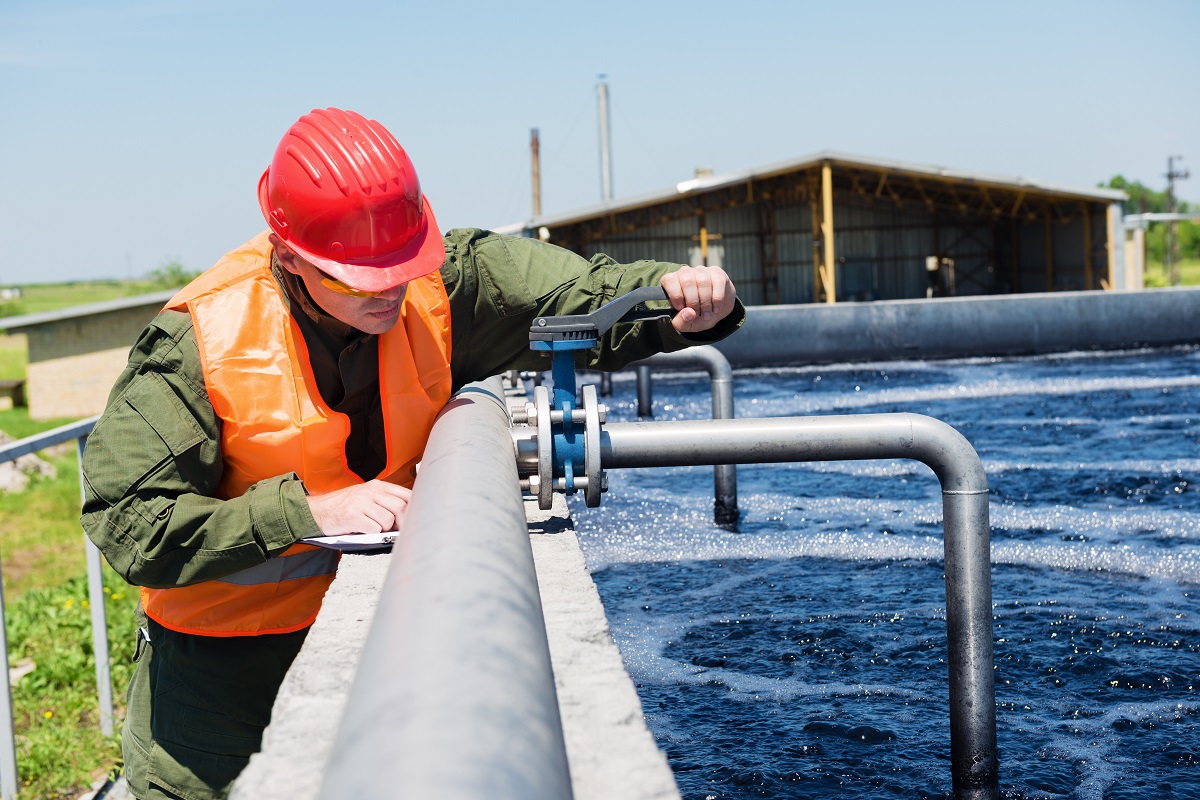
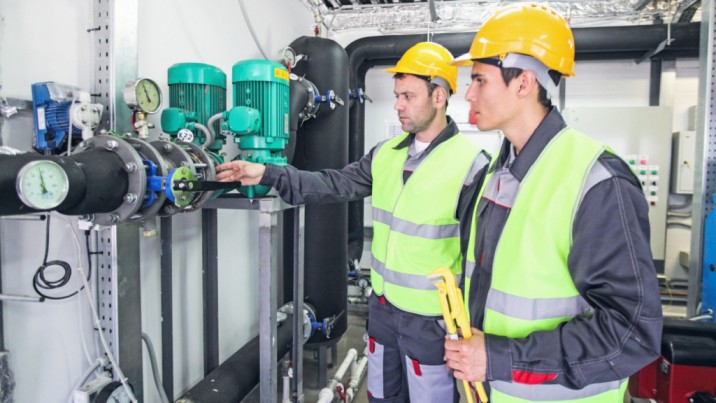
Wastewater treatment plants require skilled professionals for operation and maintenance, creating valuable jobs within the community.
Increased Property Values –
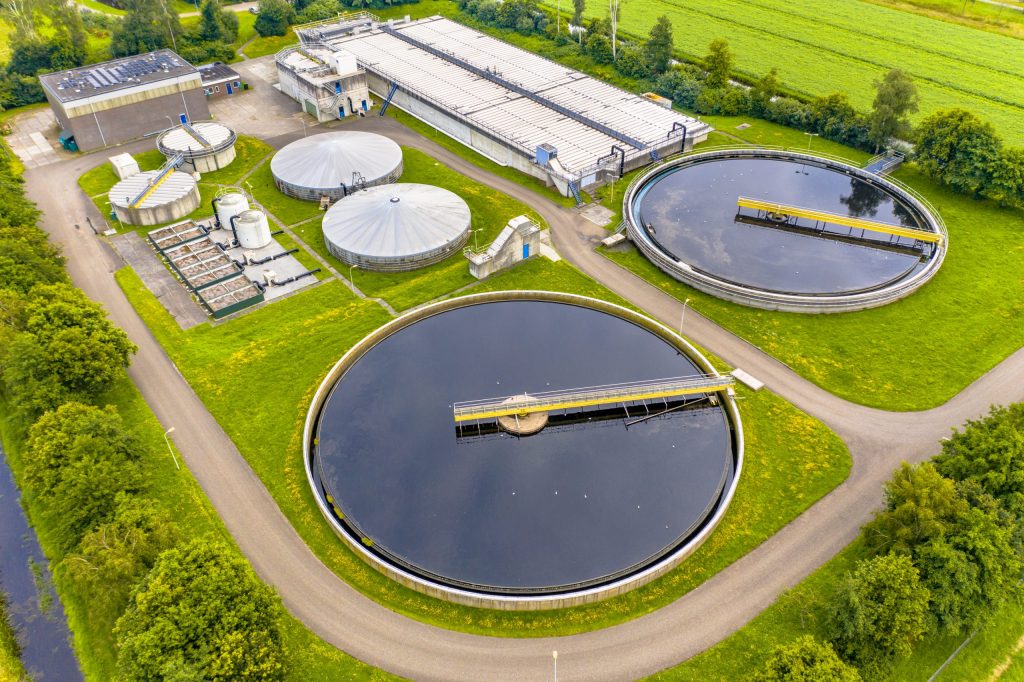
Communities with efficient sewage water treatment plants generally experience higher property values due to improved public health and environmental quality.
Cost Savings on Water Treatment –
Communities with efficient sewage water treatment plants generally experience higher property values due to improved public health and environmental quality.
3. Environmental Conservation:
Reduction in Water Pollution –
Treated wastewater significantly reduces harmful pollutants like nitrogen, phosphorus, and heavy metals, protecting water resources.
Preservation of Aquatic Life –
Treated wastewater minimizes the disruption of aquatic ecosystems, allowing fish and other marine life to thrive.
Mitigation of Climate Change Impacts –
Methane emissions from untreated wastewater contribute to climate change. Proper wastewater treatment reduces these emissions.
4. Resource Recovery:
Generation of Renewable Energy –
Certain wastewater treatment plants utilize innovative technologies to convert biogas, a byproduct of the treatment process, into clean energy.
Production of Nutrient-Rich Fertilizer –
Treated wastewater can be repurposed as irrigation water, containing valuable nutrients that can act as a natural fertilizer for crops.
Recycled Water for Industrial Use –
Treated wastewater can be further purified for industrial use, reducing the demand for freshwater resources in non-potable applications.
5. Social Benefits:
Enhancement of Public Perception –
Efficient wastewater treatment fosters a positive community image, promoting environmental responsibility and public health awareness.
Community Involvement and Education –
Engaging the community in understanding the importance of wastewater treatment fosters a sense of ownership and encourages sustainable practices.
Increased Sustainability Practices –
By highlighting the benefits of wastewater systems, communities can be encouraged to adopt more sustainable practices in all aspects of life.

Conclusion:
Investing in wastewater treatment offers many benefits that extend far beyond just environmental protection. From improved public health and economic advantages to resource recovery and social well-being, efficient wastewater treatment plants are essential for a thriving and sustainable future.